“[E]ven with federal spending for all programs other than Social Security and the major health care programs on track to reach its smallest share of GDP since at least 1940, federal debt remains on an unsustainable path,” then-CBO Director Doug Elmendorf cautioned a macroeconomic policy conference in 2014.
But the federal government hasn’t deviated from its spending habits through all of these years, holding to an unsustainable path of spending far outstripping revenues. So, what are the likely consequences?
“A large and continuously growing federal debt would increase the chance of a fiscal crisis in the United States,” Hall told the Senate Budget Committee in 2017.
“If federal debt as a percentage of GDP continued to rise at the pace that CBO projects it would under current law, the economy would be affected in two significant ways,” the CBO noted in January 2020, before the massive expenditures of the past year. “That growing debt would dampen economic output over time” and “Rising interest costs associated with that debt would increase interest payments to foreign debt holders and thus reduce the income of U.S. households by increasing amounts.”
That is, running up debt acts as a dead weight on the economy, becoming ever-more expensive to sustain while making people poorer. But not all approaches to balancing expenditures and revenues are created equal: raising taxes to the sky-high level required to pay for politicians’ increasingly grandiose spending schemes would have nasty consequences, too. That’s because siphoning money from Americans’ pockets to pay for elected officials’ pipe dreams would leave people with less to save, spend, invest, and use to build prosperity.
“The general finding is that increasing taxes leads to lower GDP and personal consumption,” the Congressional Budget Office warned in March of the consequences of higher taxes to finance increased government expenditures. “After 10 years, the level of GDP by 2030 is between 3 percent and 10 percent lower than it would be without the increase in expenditures and revenues.”
There really are limits to how much governments can spend without inflicting pain on the people suffering under their mismanagement. Not that the people elected to Congress and the White House have shown any signs of comprehension or concern.
Given that these are people capable of running for public office without feeling any apparent sense of shame, is it possible that they’re just too stupid to understand our reports? you can imagine CBO economists asking one another as they tossed around the idea for the recent infographic. Does anybody have any crayons?
And so we end up with pretty pictures illustrating a very unattractive fiscal situation. Maybe drawings can finally deter elected officials from their outrageous spending habits where detailed reports have failed to attract their attention.


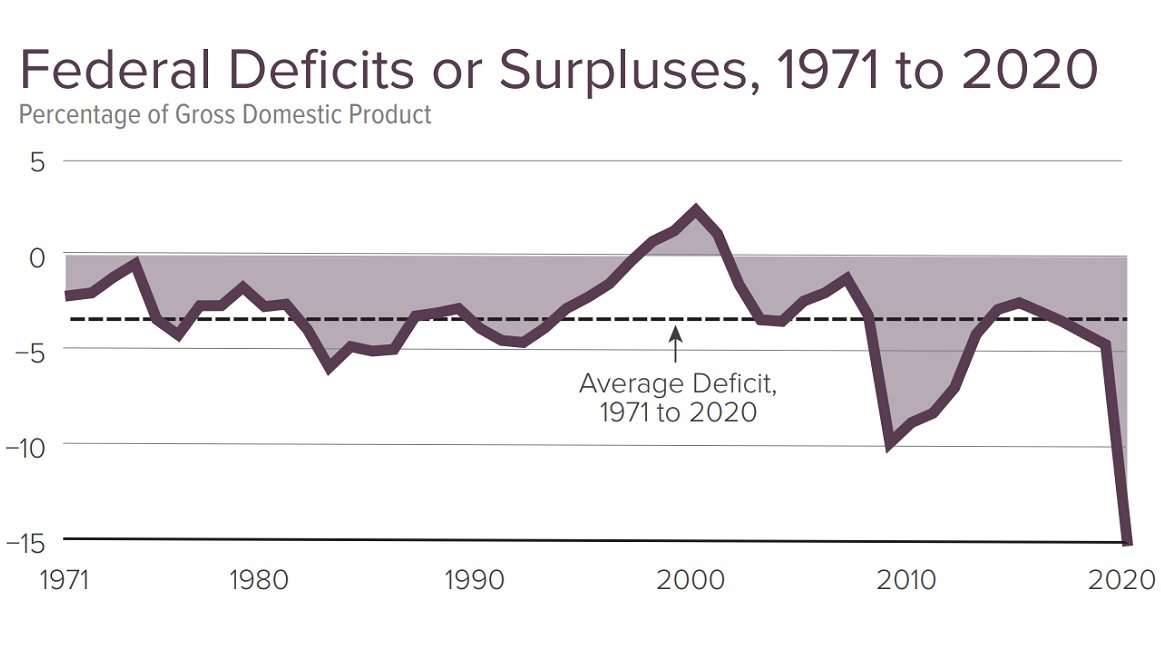
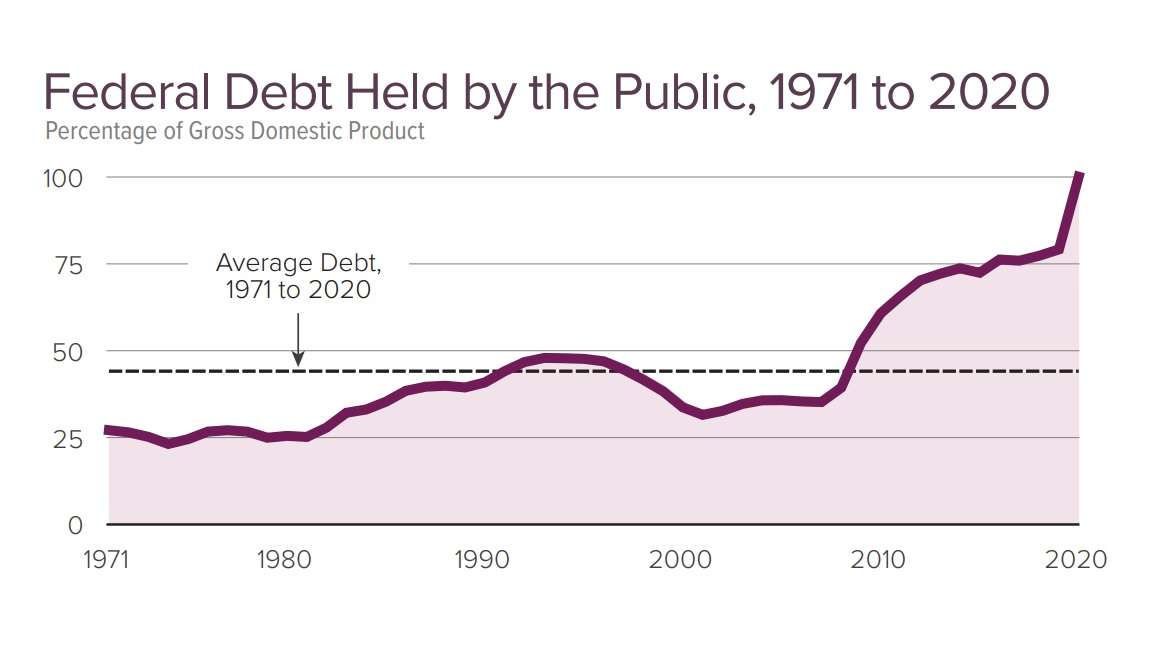 “[F]inancing a large and permanent increase in government spending through perpetual borrowing without any corresponding adjustment in spending or revenues at some point in the future is unsustainable,” CBO
  Steve Prestegard.com: The Presteblog