The weekend of football, two days early

College football is supposed to be played on Saturdays, and NFL football is supposed to be played on Sundays.

So, of course, the Badgers and Packers are both playing Thursday, and at the same time, with UW against UNLV on ESPN and the Packers hosting Kansas City on a Packers preseason TV station near you. The Brewers are also playing Thursday, but they take on St. Louis at 3 p.m.

Thursday is the first time since 1981 that the Badgers and the Packers have been playing at the same time. The difference is that, while Thursday’s game against Kansas City will be forgotten as soon as the regular season starts Sept. 8, the two games Dec. 13, 1981, counted. While the Packers were beating New Orleans 35–7 (thanks to Lynn Dickey, who was 19 of 21 for 218 yards and five touchdown passes), the Badgers were playing in their first bowl game since the 1963 Rose Bowl, the 1981 Garden State Bowl in East Rutherford, N.J.:

The Packers missed the playoffs in 1981, but 1981 turned out to be a prelude for their first post-Vince Lombardi playoff season, 1982, as well as the immensely entertaining 1983 season  (as in 10 of 16 games decided by a touchdown or less), in which the Packers went to the final minute of the final game of the season before having their playoff hopes dashed by Da Bears. 1982 was good to the Badgers too, with their first bowl win in program history, 14–3 over Kansas State in the Independence Bowl (known by UW Band members as the Inconvenience Bowl since it was played the night before finals were to start).

(We interrupt this football with a baseball bulletin: 1981 and 1982 were also the years the Brewers were playoff participants for the first time. The Brewers won the second half of the American League East in 1981 and took the first-half champion Yankees to five games before losing the first AL Division Series. One season later, the Brewers w0n the AL East on the last day of the regular season. The following Saturday, while Wisconsin was winning at Ohio State, the Brewers were on the way to overcoming a 2–0 deficit to win the five-game ALCS, before losing the World Series to St. Louis in seven games. There were no Badger/Brewer/Packer conflicts, because the NFL was on strike.)

This Badger–Packer simulheader (another made-up word of mine) is appropriate because this week former Badger coach Dave McClain is being inducted into the UW Athletic Hall of Fame. McClain turned the Badgers from occasionally exciting but mediocre into at least respectable — four consecutive winning seasons, three bowl berths and one bowl win between 1981 and 1984, including wins over (preseason number one) Michigan and Ohio State (three times), two schools for whom Wisconsin had served as a punching bag for more than a decade. The Badgers slipped backward to 5–6 in 1985, but with most starters returning, there was a good deal of optimism about 1986.

And then McClain died of a heart attack two days after the UW spring game. Defensive coordinator and interim coach Jim Hilles could lead the Badgers to only a 3–9 record,  and then his non-interim replacement, Don Morton, “led” UW into three years of football that was so bad that Wisconsin State Journal sportswriter Vic Feuerherd used the term “BADgers” through one entire game story. (For some reason, when I spell “Morton” I usually leave out the T.)

Meanwhile, up U.S. 151 and U.S. 41 at Lambeau Field, the Packers had finally lost patience with coach Bart Starr and fired him after the just-missed 1983 season. Forrest Gregg, Starr’s right tackle, was a popular choice with the fans, especially because, unlike Starr, he came in with head coaching experience, having led Cincinnati to Super Bowl XVI. Gregg, however, proved worse than Starr as a general manager and coach; after back-to-back 8–8 seasons, Gregg decided to blow up the roster and start over, with the result being two terrible seasons, Packer players making as many bad headlines off the field as on the field (see Cade, Mossy), and then Gregg’s departure for his alma mater, Southern Methodist University. The Packers finally hired a separate general manager and coach after Gregg left, but they didn’t hire the right general manager and coach until 1991, when they hired Ron Wolf, who hired Mike Holmgren.

This could be quite a year for two obvious reasons. The Badgers finished as Big Ten champions and lost the Rose Bowl, which is preferable to not getting to the Rose Bowl, in 2010. That was not predicted this time last year.

And the Packers, needing to win six in a row, the last three on the road, just to get to the Super Bowl, did just that, and capped off the state of Wisconsin’s best football year ever by winning Super Bowl XLV.

Since the Packers won the Super Bowl despite significant injuries and the unprecedented (in the NFC) three-playoff-game route, one assumes fewer injuries will take place this year, meaning potentially more wins. The Badgers, meanwhile, are ranked 11th and even have, believe it or don’t, national championship whispers because of their new quarterback, Russell Wilson, the transfer from North Carolina State.

The Badger game,  since it counts, is more important than the Packer game, which is the last preseason game. Nevertheless,  this is why TV remote controls were invented.

Presty the DJ for Aug. 31

Today in 1955, a London judge fined a man for “creating an abominable noise” — playing this song loud enough to make the neighborhood shake, rattle and roll for 2½ hours:

Today in 1968, Private Eye magazine reported that the album to be released by John Lennon and Yoko Ono would save money by providing no wardrobe for Lennon or Ono:

Today in 1976, a judge ruled that George Harrison subconsciously plagiarized the Chiffons’ “He’s So Fine” …

… when he wrote “My Sweet Lord”:

As part of the settlement, the Chiffons recorded their own version:

Birthdays start with Buddy Holly’s drummer, Jerry Allison:

Van Morrison:

Rick Roberts of Firefall:

Rudolf Schenker of the Scorpions:

Gina Schrock of the Go-Gos …

… was born the same day as Glenn Tilbrook of Squeeze:

More good economic news

I’m starting to think I shouldn’t read Bloomberg BusinessWeek anymore.

It seems that every week is either (1) a tale of how people just like me are screwed, economics-wise, for the rest of our lives, or (2) a demonstration that the country or even the world is screwed, economics-wise, until the end. Or both.

Example number one is “The Slow Disappearance of the American Working Man“:

As President Barack Obama puts together a new jobs plan to be revealed shortly after Labor Day, he is up against a powerful force, long in the making, that has gone virtually unnoticed in the debate over how to put people back to work: Employers are increasingly giving up on the American man.

If that sounds bleak, it’s because it is. The portion of men who work and their median wages have been eroding since the early 1970s. For decades the impact of this fact was softened in many families by the increasing number of women who went to work and took up the slack. More recently, the housing bubble helped to mask it by boosting the male-dominated construction trades, which employed millions. When real estate ultimately crashed, so did the prospects for many men. The portion of men holding a job—any job, full- or part-time—fell to 63.5 percent in July—hovering stubbornly near the low point of 63.3 percent it reached in December 2009. These are the lowest numbers in statistics going back to 1948. Among the critical category of prime working-age men between 25 and 54, only 81.2 percent held jobs, a barely noticeable improvement from its low point last year—and still well below the depths of the 1982-83 recession, when employment among prime-age men never dropped below 85 percent. To put those numbers in perspective, consider that in 1969, 95 percent of men in their prime working years had a job.

The story’s proposed solutions may sound familiar from, oh, two years ago:

Grappling with these intractable problems won’t likely be Obama’s top priority. He is under pressure to do something that will be felt now, not a generation from now. The longer people who are currently unemployed remain out of work, the more their skills will atrophy and the greater the risk of a cohort of men—and women—who become permanently detached from the workplace. Anything that raises employment overall would help. Obama is expected to propose tax incentives for employers to hire workers, a reduction in payroll taxes employers pay, and spending on infrastructure. Money for labor-intensive projects, such as retrofitting buildings for energy conservation or refurbishing aging schools, would be especially effective in putting men back to work in construction—though Washington is likely in no mood to pay for that either.

The problem, of course, is that (1) federal finances are so trashed that there is no money to pay for any of this, but even if the money existed, (2) the 2009 stimulus didn’t work, so thinking Stimulus II will work is a triumph of hope over experience.

You know things are bad when a business magazine has nice things to say about Karl Marx, as in “Give Karl Marx a Chance to Save the World Economy“:

Policy makers struggling to understand the barrage of financial panics, protests and other ills afflicting the world would do well to study the works of a long-dead economist: Karl Marx. The sooner they recognize we’re facing a once-in-a-lifetime crisis of capitalism, the better equipped they will be to manage a way out of it.

Consider, for example, Marx’s prediction of how the inherent conflict between capital and labor would manifest itself. As he wrote in Das Kapital, companies’ pursuit of profits and productivity would naturally lead them to need fewer and fewer workers, creating an “industrial reserve army” of the poor and unemployed: “Accumulation of wealth at one pole is, therefore, at the same time accumulation of misery.”

The process he describes is visible throughout the developed world, particularly in the U.S. Companies’ efforts to cut costs and avoid hiring have boosted U.S. corporate profits as a share of total economic output to the highest level in more than six decades, while the unemployment rate stands at 9.1 percent and real wages are stagnant. …

So how do we address this crisis? To put Marx’s spirit back in the box, policy makers have to place jobs at the top of the economic agenda, and consider other unorthodox measures. The crisis isn’t temporary, and it certainly won’t be cured by the ideological passion for government austerity.

(Interesting, isn’t it, that the fact that Marx spawned one of the most hideous, murderous ideologies of the 20th century appears to not bother Magnus in the least, because, hey, all opinions are valid.)

Author George Magnus comes up with five ideas, three of which aren’t exactly earth-shattering: allow restructuring of mortgage debt, give banks in good condition “some temporary capital adequacy relief to try to get new credit flowing to small companies especially,” and “extend the lower interest rates and longer payment terms recently proposed for Greece” to other Euro-zone countries.

The first and last are more controversial:

Fifth, to build defenses against the risk of falling into deflation and stagnation, central banks should look beyond bond- buying programs, and instead target a growth rate of nominal economic output. This would allow a temporary period of moderately higher inflation that could push inflation-adjusted interest rates well below zero and facilitate a lowering of debt burdens.

The lesson of late 1970s inflation followed by the early 1980s recession was that while unemployment affects the unemployed, inflation affects everyone. We discovered during $4-per-gallon gas in 2008 that high oil prices affect most parts of the economy, particularly anything that requires transportation to get from producer to buyer. Back in 2009, I heard an Associated Bank economist suggest that higher inflation was OK, because we know how to curb inflation. (Of course, the cure for higher inflation — higher interest rates — substantially depresses the economy, including particularly construction. And in case you haven’t noticed, not much new construction is taking place right now.)

As for Magnus’ first point

“We have to sustain aggregate demand and income growth, or else we could fall into a debt trap along with serious social consequences. Governments that don’t face an imminent debt crisis — including the U.S., Germany and the U.K. — must make employment creation the litmus test of policy. … Cutting employer payroll taxes and creating fiscal incentives to encourage companies to hire people and invest would do for a start.”

Of course, payroll taxes have already been temporarily cut. (Apparently we no longer need be concerned about the financial condition of Social Security and Medicare.) Fiscal incentives, coming from a government already drowning in red ink, are not likely to encourage companies to hire employees if those companies don’t have enough business to keep their employees busy. (Then again, attacking job creators because of the size of corporate profits — as if profits are ever a bad thing, or “too high” — doesn’t improve the economy either. In fact, in 2010, that approach increased unemployment … among Democratic politicians.)

Magnus’ last point — “We can’t know how these proposals might work out, or what their unintended consequences might be,” but “the policy status quo isn’t acceptable, either” — echoes presidential candidate Franklin Roosevelt: “The country needs and, unless I mistake its temper, the country demands bold, persistent experimentation. It is common sense to take a method and try it: If it fails, admit it frankly and try another. But above all, try something.”

Well, the U.S. did try a lot of somethings in the 1930s. And none of them worked to end the Great Depression. World War II didn’t end the Depression either, since most economists with a brain (which therefore excludes Paul Krugman) would not describe an economy with rationing, enforced savings, severely restricted availability of food and consumer goods, solving the unemployment problem by drafting most of the able-bodied into the military, and, by the way, millions of dead people as a strong economy. And doing what the Obama administration and its apparatchiks want to do  — maliciously inflate taxes on the few successes in the economy — is guaranteed to make things even worse.

The best thing that can be said after reading this Bloomberg BusinessWeek is a quote from economist John Maynard Keynes, who other than his rapidly-being-discredited economic philosophy had one inarguable point: “In the long run we are all dead.”

Presty the DJ for Aug. 30

Today in 1959, Bertolt Brecht‘s “Threepenny Opera” reached the U.S. charts in a way Brecht could not have fathomed:

T0day in 1968, Apple Records released its first single by — surprise! — the Beatles:

Today in 1969, this spent three weeks on top of the British charts, on top of six weeks on top of the U.S. charts, making them perhaps the ultimate one-number-one-hit-wonder:

Zager and Evans were not at the second Isle of Wight Festival, which started today:

Nor were they at the Texas International Pop Festival, which also started today:

The number one British hit today in 1975 was not British:

The winners of the 2004 MTV Video Music Awards (ironic for a channel that now rarely plays music videos) included:

The short list of birthdays starts with John Phillips, one of the Mamas and Papas and father of actors Mackenzie and Bijou:

Charles Colbert of American Breed:

Martin Jackson of Swing Out Sister:

WIAA vs. the taxpayers

At first glance, the ongoing lawsuit between the Wisconsin Interscholastic Athletic Association and Gannett Newspapers might seem like the Iran–Iraq War, or a Bears–Vikings game — fans of neither side might wonder if both could lose.

The WIAA, the sanctioning body for Wisconsin high school athletics, sued Gannett after The Post~Crescent live-streamed several football playoff games in 2008. If a media organization wants to broadcast or stream postseason games, it must get the WIAA’s permission, pay a fee, and adhere to various other rules:

Internet blogs, forums, tweets and other text depictions or references are permitted and are not subject to rights fees unless they qualify as play-by-play (see definition below) or are not in compliance with the media policies of the WIAA. Play-by-play accounts of WIAA Tournament Series events via text are subject to text transmission rights fees.

Real-time play-by-play accounts of WIAA Tournament Series events are subject to text transmission rights fees of $30 per game/event at the State level and $20 per game/event at pre-State levels.

Play-by-play – Play-by-play is detailed regular entries or description of the sports events as they are happening, or of the actual action as it occurs, including the continuous sequential detailed description of play, of events, or other material such as graphics or video regarding any WIAA tournament game or event, so that it approximates a video or audio transmission that allows the recipient to experience the game or event as it occurs.

How this has essentially worked is that, if I were blogging from the state tournament, I could text that, for instance, Jordan Jess hit a two-run home run to left field to give Ripon a 6–1 lead over Spooner in the fourth inning, but I could not text or blog something like:

Jordan Jess, batting .467. He’s 0-for-2. He takes ball one.

Breaking ball outside, 2 balls no strikes.

Called strike on the outside corner, 2 and 1.

The 2–1 gets away but Polcyn holds at first, 3 and 1.

Strike on the outside edge of the outside corner, 3 balls 2 strikes.

Throw back to first, and Polcyn is back.

Fly ball to left and deep and GONE! A two-run opposite-field home run for Jess, and Ripon leads 6–1.

(If you are getting texts like that, I hope you have an unlimited-service plan.)

The WIAA also prohibits broadcasters from broadcasting state tournament events, since it sells those broadcast rights. That is why, despite covering two state champion football teams, I have never broadcast a state football game from Camp Randall Stadium; the WIAA sold broadcast rights to Fox Sports Wisconsin on the grounds that government-access cable TV would be an unfair competitor. If you wanted to watch Ripon’s state baseball semifinal against Green Bay Notre Dame or state title game against Spooner and you had no Internet access, no luck for you. (Fox Sports Wisconsin carries most state tournament finals, not pre-final games, on tape-delay.)

The lawsuit started in state court, then moved to federal court, gaining the Wisconsin Newspaper Association as a co-defendant and getting the attention of high school sport-sponsoring organizations across the country.

The WIAA won the latest game when a three-judge panel of the U.S. Seventh Circuit Court of Appeals in Chicago ruled in favor of the WIAA, writing, ”We conclude that WIAA’s exclusive broadcasting agreements for Internet streaming are consistent with the First Amendment. … Gannett’s theory that coverage and broadcast are identical is … analytically flawed. Simply put, streaming or broadcasting an event is not the same thing as reporting on or describing it.”

That is logically correct, and truth be told, I’m not sure why someone would choose to watch two sportswriters conversing about a game with no one doing actual play-by-play. However, that’s the Post~Crescent’s decision and an individual’s decision to watch or not.

There is, however, a significant party missed in Gannett’s attempt to cloak itself in the First Amendment. Robert Dreps, the defendants’ attorney, was paraphrased as saying that the decision “mistakenly compared taxpayer-funded high school sporting events with private entertainment acts and professional sports.”

High school sports is not the same thing as the National Football League or the National Collegiate Athletic Association. Taxpayer funds do not allow the Packers to operate (of course, there is the ½-percent Brown County sales tax that is funding the early-2000s Lambeau Field renovations, but that is funding a stadium owned by the taxpayers). Division I college athletic departments are not usually funded through tax revenues, and private college athletic departments are never funded through tax revenues.

In contrast, everything important about high school athletics is funded by taxpayers. Your property tax dollars built your high school. Your property taxes and other tax dollars pay coaches’ salaries, such as they are, and pay the salaries of teachers and other school district personnel who are paid to work games, plus the cost of the transportation for student–athletes and coaches to games. Except in cases of donations or sponsorships, your tax dollars bought uniforms and sports equipment.

As Drebs wrote in a 2008 letter to the WIAA:

State high school sports tournaments are public, taxpayer-supported events. … High school athletic organizations have long been treated as state actors, just like their public school members, for constitutional purposes. … Although the issue has not yet been decided in Wisconsin, we see no factual or legal basis on which the WIAA’s constitutional status can be distinguished from its counterparts in Tennessee, Illinois, Arizona, Missouri, Louisiana, Oklahoma, Indiana, Mississippi, Rhode Island or Pennsylvania … or any of the other states where the issue has been adjudicated …

That makes one wonder why this case is being presented as a case of the First Amendment vs. commercial interests (which too are part of the First Amendment), instead of a case about how taxpayer dollars are being used. As the Gannett Wisconsin Media story put it, “The dispute centered only on postseason play because those tournaments are organized and run by the WIAA, which both sides agree is bound by the same rules that apply to government agencies.”

That’s quite an admission by the WIAA, which claims on its website to be “a voluntary, unincorporated, and nonprofit organization” “governed by its member schools” with input from such groups as coaches, school athletic directors, school district administrators, sports physiciansofficials and WIAA staff. You’ll note that the word “taxpayer” appears nowhere in this paragraph, because the word “taxpayer” appears nowhere on the WIAA’s website despite the fact that taxpayers fund everything that allows the WIAA to exist, including WIAA membership dues.

Perhaps this shouldn’t be a surprise, given that most WIAA staff once upon a time were teachers, and as we saw earlier this year teacher unions have traditionally cared very little about the people paying their salaries. If taxpayers were actually represented in the WIAA, perhaps Ripon Area School District taxpayers might get an answer from the WIAA as to why, in an era of gas prices reapproaching $4 per gallon, Ripon students are going 144 round-trip miles on a school night to play two conference basketball games and one conference volleyball match.

An Associated Press story about WIAA vs. Gannett noted that “At least a dozen associations have similar exclusive streaming deals. They say it brings in money to keep state championship tournaments going. But newspapers worry the ruling could lead to more reporting restrictions.”

In fact, there already are reporting restrictions. The WIAA’s media rules note that “Media of a personal, recruiting or rankings nature, or whose demographic audience are fan-based or focused primarily on one school or a small number of schools do not qualify as news-gathering organizations for purposes of media credentials.” The WIAA contracts with a video production company for postseason video, and that company requires video providers to provide them with tapes (without, as far as I know, any compensation) and includes such requirements that announcers not be biased for or against one team and must not go out of their way to criticize officials. (The second should be second nature for announcers who want to act like professionals; as for the first, whom should an announcer seek to please: the WIAA or the organization that pays him and whose viewers are in fact rooting for one of the teams?)

Even though the WIAA is currently winning in federal court, there is a danger here that could make the entire federal lawsuit moot. In fact, I suggested some Democrat in the Legislature do just that the last time the Democrats controlled the Legislature — create a bill to assign the Department of Public Instruction to take over high school and middle school athletics. The DPI is one of my least favorite tentacles of state government, but the DPI does regulate (taxpayer-financed) schools, and athletics are part of the educational experience (the WIAA even says so), so there is at least some logic in having the DPI replace the WIAA. (The University Interscholastic League, Texas’ high school sports sanctioning body, is part of the University of Texas.) And it would certainly make superintendent of public instruction elections more interesting. (Don’t bother asking when taxpayers will get to vote in WIAA Board of Control elections.)

There is also another danger to taxpayers who are also fans of high school sports. The Wisconsin State Journal in Madison wrote in 2009 that the WIAA’s winning the lawsuit “could significantly reduce the coverage of high school sports that millions offans across Wisconsin get from their local newspaper, in print and online.” The WIAA tried something similar earlier in the 2000s when it attempted to set up a radio network for the state football and basketball tournaments that would have required radio stations to pick up the entire tournament, not just games of local interest, or not carry any games, including those of local interest.

Policies that serve to reduce media coverage aren’t going to increase support of high school athletics, particularly in these cash-strapped days. And given the role high school athletics has in communities across this state, policies that serve to reduce media coverage aren’t going to increase support of schools, financial or otherwise.

Presty the DJ for Aug. 29

Today in 1966, the Beatles played their last concert for which tickets were charged, at Candlestick Park in San Francisco.

Today in 1970, Edwin Starr was at number one on both sides of the Atlantic:

Britain’s number one album today in 1981:

The number one song today in 1982:

Britain’s number one album …

… and single today in 1987 …

… while on the other side of the Atlantic:

Birthdays start with Dick Halligan, who played keyboards, trombone and flute for Blood Sweat & Tears:

Chris Copping of Procol Harum:

Rick Downey of Blue Öyster Cult:

Michael Jackson:

Me’Shell NdegeOcello:

Presty the DJ for Aug. 28

The number one single today in 1961 was made more popular by Elvis Presley, not its creator:

Also today in 1961, the Marvelettes released what would become their first number one song:

Today in 1964, the Beatles met Bob Dylan after a concert in Forest Hills, N.Y. Dylan reportedly introduced the Beatles to marijuana:

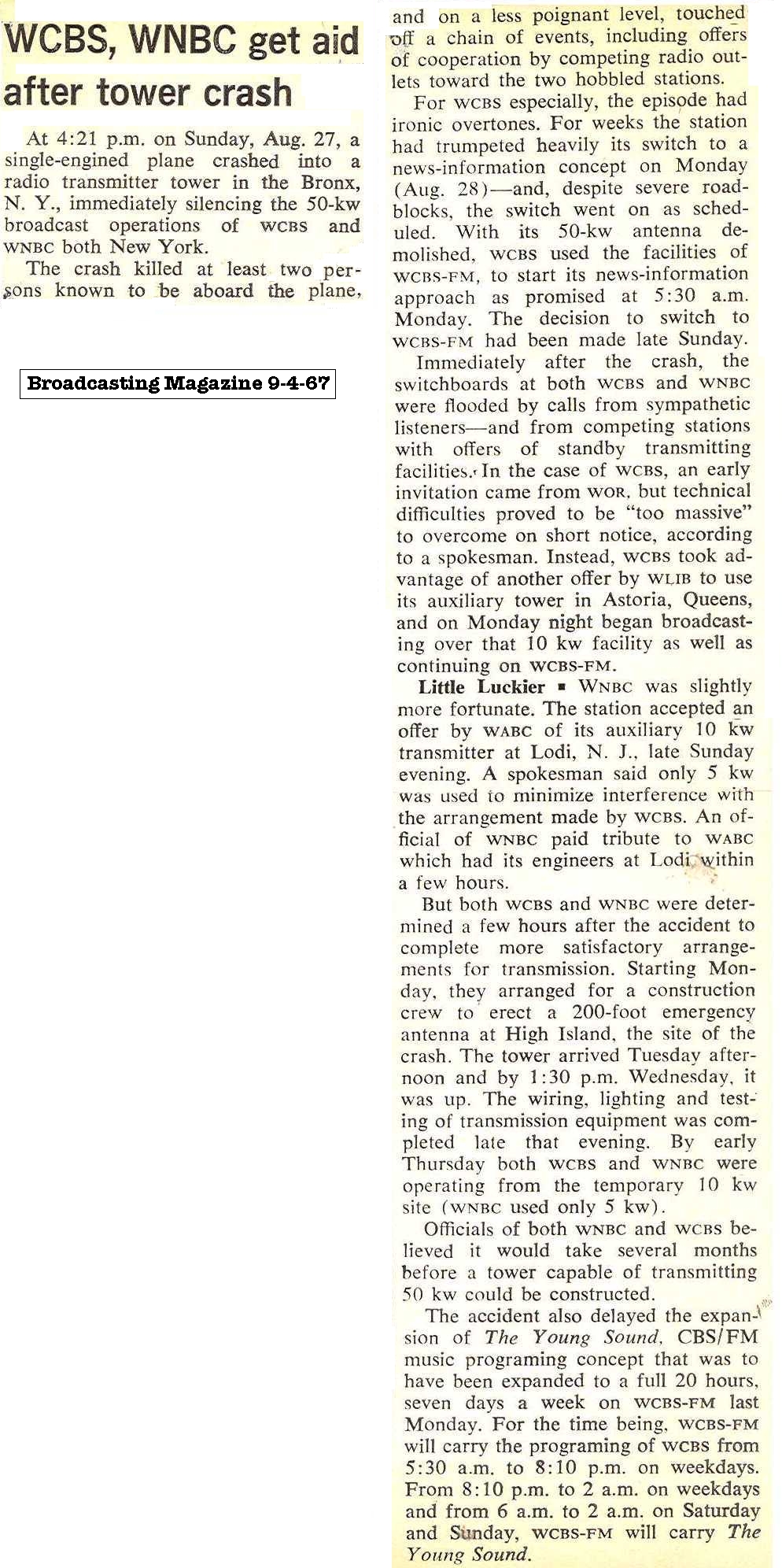
Today in 1967, WCBS radio in New York was supposed to switch to its new all-news format. However, both WCBS and WNBC radio were knocked off the air the day before when a plane crashed into the stations’ tower. WCBS had to start its all-news format on its FM station (which at the time played something called the “Young Sound” format, instrumental versions of current pop songs) while WNBC had to borrow another station’s transmitter.

The number one UK single today in 1972 should have been number one earlier in the summer:

Today in 1988, Kylie Minogue  set a British record when her debut album, “Kylie,” topped 2 million sales, most for a female artist:

The number one album in 1993 came to its singer in his sleep, hence the title, “River of Dreams”:

Birthdays today begin with Clem Cattini, who played drums for the Telstars, which recorded the first song from a British act to reach number one in the U.S.:

David Soul was not merely Hutch of “Starsky and Hutch” …

… but recorded a number one single:

Danny Seraphine was the first drummer for Chicago:

Presty the DJ for Aug. 27

We begin with an interesting anniversary: Today in 1965, the Beatles used the final day of their five-day break from their U.S.  tour to attend a recording session for the Byrds and to meet Elvis Presley at Presley’s Beverly Hills home.

The group reportedly found Presley “unmagnetic,” about which John Lennon reportedly said, “Where’s Elvis? It was like meeting Engelbert Humperdinck.”

The number one single in the U.S. in 1972:

The number one single in the U.S. in 1988:

Birthdays start with Daryl Dragon, the captain of Captain and Tennille:

David Leon “Billy” Knight played drums for Gladys Knight and the Pips:

Simon Kirke played drums for Free and Bad Company:

Alan Lifeson of Rush:

Tony Kanal of No Doubt:

Two death anniversaries of note: Today in 1967, Brian Epstein, manager of the Beatles and Gerry and the Pacemakers, died …

… and today in 1990, guitarist Stevie Ray Vaughan died in a helicopter crash on the way from leaving Alpine Valley after a concert that included Robert Cray and Eric Clapton:

From the family cookbook(s)

All the families I’m associated with love to eat, so it’s a good thing we enjoy cooking.

The first out-of-my-house food memory I have is of my grandmother’s cooking for Christmas or other family occasions. According to my mother, my grandmother had a baked beans recipe that she would make for my mother. Unfortunately, the recipe seems to have  disappeared. Also unfortunately, my early days as a picky, though voluminous, eater meant I missed a lot of those recipes made from such wholesome ingredients as lard and meat fat.

I particularly remember a couple of meals that involve my family. The day of Super Bowl XXXI, my parents, my brother, my aunt and uncle and a group of their friends got together to share lots of food and cheer on the Packers to their first NFL title in 29 years. (After which Jannan and I drove to Lambeau Field in the snow,  but that’s another story.) Then, on Dec. 31, 1999, my parents, my brother, my aunt and uncle and Jannan and I (along with Michael in utero) had a one-course-per-hour meal to appropriately end years beginning with the number 1. Unfortunately I can’t remember what we had, but it was really good and really filling.

Put two gourmand families together (my parents have been feeding me for 46 years, and my in-laws have been feeding me for more than 20 years), and you get quite a collection of recipes. My family’s recipes are more conventional yet contemporary than my in-laws’ recipes, because the latter involve (1) things you can get on your own farm (for instance, bacon and cow tongue) and (2) the aforementioned non-nutritionally-correct ingredients. About the latter, I would point out that (1) my father-in-law lived to 80, and my mother-in-law is now 84, and (2) everyone dies of something.

Before I met my in-laws, one of the more unusual job duties I’ve ever had, which the newspaper didn’t bother to tell me about when they were interviewing me, was to be the cooking columnist, the Grant Gourmet. (“Gourmand” would have been more appropriate, but most readers may not have known the difference between the two terms.) I discovered that while there were great recipes in central and western Grant County, there were not many people who wanted to be profiled in the newspaper. When we purchased the Cuba City newspaper, we inherited a cooking columnist, whose “Chit Chat” column now appears in other newspapers owned by that company.

Before I became a cooking columnist, my father came up with an idea for a cookbook to be called 101 Ways to Cook Chicken. I think we never got past about 30 or so different recipes, not including the two recipes here.

Many things I cook don’t involve formal recipes. That particularly includes my spaghetti sauce and my chili, because it’s less about the ingredients than the recipe (for instance, ground beef and Italian sausage). Many recipes also start with someone else’s work — for instance, pizza from a box — but get serious augmentation. (For instance, I put granulated garlic in the crust and ketchup — idea stolen from Pizzeria Uno in Platteville — plus Italian seasoning and Sweet Pepper and Onion mix in the sauce, and I use tomatoes, onions, green peppers, fresh or canned mushrooms, mozzarella and cheddar cheese, sausage, pepperoni and, yes, spinach, all put together in an iron skillet. It requires two hands to get it into the oven.)

There is — surprise! — a story with most of these recipes. My mother is not pleased because I taught our sons to cook Hot Dish, so they can’t serve them Hot Dish when they come to visit. (On the other hand, how many 8- and 11-year-olds do you know who can cook?) Pregnancy Fruit Salad, first made while Jannan was pregnant with our oldest son, was the result of some research into the most nutritious fruit proportion-size. (So Pregnancy Fruit Salad is not designed to get you pregnant, although there are no guarantees.) Jannan came up with Limonada con Soda when she was in the Peace Corps in Guatemala, where the water was generally not agreeable to non-natives. Straight to the Thigh Chocolate Pie came from Jannan’s former Rotary club, done by a diabetic woman who had a business making, you guessed it, desserts.

Breakfast/brunch

Make-Ahead Breakfast Casserole

2½ cups seasoned croutons
1 pound roll sausage (we use Jimmy Dean Regular)
4 eggs
2¼ cups milk
1 10-ounce can condensed cream of mushroom soup
1 10-ounce package frozen chopped spinach (thawed and squeezed dry)
1 4-ounce can mushrooms (drained and chopped)
1 cup (4 ounces) shredded Cheddar cheese
1 cup (4 ounces) shredded Monterey Jack cheese
¼ teaspoon dry mustard
Fresh herb sprigs and carrot strips (optional)
Picante sauce or salsa (optional)
Spread croutons on bottom of greased 9×13 baking dish. Crumble sausage into medium skillet. Cook over medium heat until browned, stirring occasionally. Drain off drippings. Spread over croutons. Whisk eggs and milk in large bowl until blended. Stir in soup, spinach, mushrooms, cheeses and mustard. Pour egg mixture over sausage and croutons. Refrigerate overnight. Preheat oven to 325 degrees. Bake 50 to 55 minutes or until set and lightly browned on top. Garnish with herb sprigs and carrot strips if desired. Serve hot with picante sauce or salsa if desired. Refrigerate leftovers. Makes 10 to 12 servings.

Hors d’Oeuvres

Manly Hors d’Oeuvres

1 pound ground beef (works best with ground chuck or similar)
1 package ground sausage
1 package Velveeta Mild Mexican Cheese
1 loaf cocktail rye bread
¾ teaspoon oregano or Italian seasoning
Crushed red peppers to taste
Brown and drain meats. Add cheese and stir. Add spices. Spread on bread. Freeze on cookie sheet, then bag until ready to use. To eat, broil until brown and bubbly. 

Carol’s Salsa

4 large or 6 medium fresh tomatoes
2 bunches green onions (chopped — use all parts)
2 2-ounce cans chopped green chiles
½ cup vegetable oil
¼ cup vinegar
2 cans Mexican-flavor stewed tomatoes (drain 1 can)
1 teaspoon oregano
1 tablespoon salt
1 tablespoon pepper
2 teaspoons soy sauce
½ teaspoon garlic powder
White pepper
Tabasco sauce to taste (at least one-third bottle)
Combine ingredients. Tastes best if not refrigerated; will keep on counter for a few days.

Bagel Dip

1 package dried beef (cubed)
1½ cups sour cream
1½ cups mayonnaise
2 teaspoons Accent or Lawry’s seasoning
2 teaspoons dill weed
2 tablespoons parsley
1 finely chopped onion
Mix together ingredients. Let stand several hours or overnight in refrigerator. Serve with bagel pieces or bagel chips. 

Chicken Dip

2 small cans or one large can of white chicken (drained, with hunks separated)
1 8-ounce can water chestnuts, drained and chopped
1 cup mayonnaise
1 cup sour cream
1 package Knorr Vegetable soup envelope
1 10-ounce package frozen chopped spinach, thawed and drained
Combine ingredients. Mix well. Refrigerate 4 to 6 hours or overnight. Serve with crackers but also makes a good sandwich.

Chocolate Chip Cheese Ball
(Alternate name: Some Assembly Required Chocolate Chip Cheesecake)

1 8-ounce package cream cheese (softened)
½ cup butter (no substitutes!), softened
¼ teaspoon vanilla
¾ cup confectioners’ sugar
2 tablespoons brown sugar
¾ cup miniature semi-sweet chocolate chips
¾ cup finely chopped pecans
In mixing bowl, beat the cream cheese, butter and vanilla until fluffy. Gradually add sugars; beat just until combined. Stir in chocolate chips. Cover and refrigerate for 2 hours. Place cream cheese mixture on a large piece of plastic wrap; shape into a ball refrigerate for at least 1 hour. Just before serving, roll cheese ball in pecans (or just refrigerate in the bowl). Serve with graham crackers.

The Salad Course

Mom’s French Dressing

½ cup vegetable oil
½ cup ketchup
⅓ cup sugar
¼ cup salad (not white) vinegar
¼ teaspoon salt
1 teaspoon Worcestershire sauce
½ teaspoon paprika
Grated onion and/or minced garlic
Combine ingredients in order in which they’re listed.

Pregnancy Fruit Salad

2 cans mandarin oranges
2 cans pineapple chunks
2 cans (or 1 large can) peaches
1 can apricots
Bananas (cut up)
Green or red grapes
1 3-ounce box lemon or vanilla instant pudding
Drain cans of mandarin oranges, pineapple, peaches,  and apricots. In large bowl place mandarin oranges, pineapples, peaches, apricots, bananas and grapes; stir. Pour box of instant pudding over top of fruit. Place covered in refrigerator 4 hours. Stir before serving.

Entrees and Main Courses

Ranchero Supper

1–1.5 pounds ground beef
1 28-ounce can baked beans
1 11-ounce can whole kernel corn (drained) or equivalent frozen corn
¼ cup barbecue sauce
2 tablespoons ketchup
1 tablespoon prepared mustard
¾ cup shredded cheddar cheese
Sliced green onions (optional)
Sour cream (optional)
Tortilla chips
Cook beef over medium heat until no longer pink; drain. Stir baked beans, corn,  barbecue sauce, ketchup and mustard; heat thoroughly. Turn off heat and sprinkle with cheese. Serve on top of tortilla chips with green onions and sour cream.

Hot Dish

1 pound (or more) ground beef
1 medium onion (chopped)
1 can tomato soup
Parsley
1 cup ketchup
Pasta (cooked)
Cook ground beef until no longer pink, adding onions. Stir in tomato soup and ketchup, then cooked pasta. Sprinkle with parsley.

All Afternoon Oven Stew

1 pound (or more) stew meat or equivalent (cut up)
2–3 onions (quartered)
3–5 small potatoes (peeled and cut up)
1 can tomato soup
1 can cream of celery soup
1 bag frozen corn
1 bag frozen vegetables
1 package refrigerator biscuits
In roaster or crock pot combine,  in order, beef, onions, potatoes, soups and frozen vegetables. Cook covered in oven at 250 degrees for 4 hours or in crock pot on Low 8 hours. Increase oven temperature to 400 degrees or crock pot to High. Cut up biscuits into quarters, place on top, and cook additional 10 minutes (oven) or until done.

Hot and Spicy Sloppy Joes

1½ pounds ground beef
1 large onion (chopped)
1 clove garlic (minced)
½ cup ketchup
2 tablespoons brown sugar
1 tablespoon mustard
1 teaspoon Worcestershire sauce
1 6-ounce can hot-style V-8 juice
½ cup water
2 tablespoons chopped jalapeños
2 teaspoons chili powder
Shredded cheddar cheese
8 hamburger buns
In large skillet, cook beef, onion and garlic until beef is brown and onion is tender. Drain fat. Combine ketchup, brown sugar, mustard, Worcestershire sauce, V-8, water, jalapeños and chili powder in 3½-quart crock pot. Stir in meat. Cover and cook on Low 10 to 12 hours, or on High three to five hours. When serving, toast buns, spoon mixture on buns, and top with cheddar cheese.

Stuffed Peppers

1 pound hamburger
⅛ cup milk
4 large peppers (any color)
1 cup bread crumbs
1 small onion
1 bottle chili sauce
Salt and pepper
1 egg
Shredded cheddar cheese
Cut off tops of peppers and clean out. Boil peppers in hot water 7 to 8 minutes. Mix hamburger, milk, bread crumbs, onion, three-fourths of chili sauce, salt, pepper and egg. Stuff each pepper with one-fourth of hamburger mixture. Bake in covered casserole dish 45 minutes at 350 degrees. Take cover off dish; add part of rest of chili sauce; sprinkle cheddar cheese on top. Bake 10 more minutes uncovered.

New England Boiled Dinner

6 medium potatoes (about 2 pounds), peeled and quartered
6 medium carrots, cut into 2-inch lengths
1 large onion, quartered
3 cloves garlic, minced
1 3- to 3½-pound corned beef brisket (discard seasoning packet)
2 teaspoons dried dill seeds
1 teaspoon dried rosemary, crushed
½ teaspoon salt
2 14-ounce cans beef broth
1 small head cabbage, cut into 8 wedges
Horseradish sauce (optional):
½ cup mayonnaise
½ cup dairy sour cream
2 tablespoons horseradish mustard
2 teaspoons snipped fresh chives
In 5- to 6-quart slow cooker, combine potatoes, carrots, onion and garlic. Trim fat from brisket; cut if necessary to fit. Place brisket on top of vegetables; sprinkle with dill seeds, rosemary and salt. Pour broth over brisket. Cook on Low 11 to 12 hours or High 5½ to 6 hours. If cooking on Low, turn to High. Add cabbage wedges. Cover; cook 30 to 60 minutes or until cabbage is tender. Transfer meat to cutting board. Thinly slice meat across the grain; place slides on serving platter. Using slotted spoon, transfer vegetables to serving platter. Serve meat with vegetables and horseradish sauce.
Horseradish sauce: In a small bowl stir together ingredients. Cover and chill in refrigerator 5 to 24 hours.

Chicken Ziegenfuss

4 chicken breast halves
1 cup chopped celery
1 cup chopped onion
1 8-ounce package cream cheese
4 chopped green onion blades
½ cup butter
1 cup chopped walnuts
1 can cream of chicken soup
1 pinch sage
1 package crescent rolls (8 to package)
Boil chicken breasts with chopped celery and onions 1 hour or until done. Strain celery and onions from broth; save enough broth for sauce. Let chicken cool. Cut chicken into bite-size pieces. Mix together chicken, cream cheese, chopped green onion blades (enough for color) and ¼ cup butter. Roll crescent roll dough into eight rectangular pieces. Put one-eighth of chicken mixture onto each rectangle. Bring corners up and pinch sides together covering all of the mixture. Dip each lump in ¼ cup melted butter, then in chopped walnuts. Bake on ungreased cookie sheet at 375 degrees 10 to 12 minutes until golden brown.
Sauce: Heat cream of chicken soup, sage and enough chicken broth to make gravy consistency. Ladle sauce over each portion.

Chicken Bowl

1 16-ounce package prepared chicken breasts (cut up) or chicken nuggets
4 cups instant mashed potatoes
4 cups water
2 cups milk
1 can (drained) or 1 package frozen corn or mixed vegetables
1 bottle instant chicken gravy
Microwave chicken according to package directions; set aside. In large microwave-safe bowl combine instant potatoes, water and milk; microwave on High until slightly runny. Place chicken nuggets or pieces on top of potatoes. Place vegetables on top of chicken; microwave on High 4 minutes or until vegetables are cooked. Pour chicken gravy on top of vegetables; microwave on High 3 minutes or until hot.

Cajun Shrimp and Rice

1 28-ounce can tomatoes, cut up
1 14-ounce can chicken broth
1 cup chopped onion
1 cup chopped green sweet pepper
1 6-ounce package long grain and wild rice mix
¼ cup water
2 cloves garlic, minced
½ teaspoon Cajun seasoning
1 pound deveined, peeled and cooked shrimp
Bottled hot pepper sauce (optional
In 3½- to 4-quart slow cooker, combined undrained tomatoes, broth, onion, sweet pepper, rice mix with seasoning packet, water, garlic and Cajun seasoning. Cover; cook on Low 5 to 6 hours or High 2½ to 3 hours. If cooking on Low, turn to High. Stir shrimp into rice mixture. Cover; cook 15 more minutes. Serve with hot pepper sauce if desired.

Western Fond du Lac County Fish Boil

8 to 10 red potatoes (cut up)
2 to 3 onions (peeled and cut up)
1 or 2 packages frozen cod
1 16-ounce package frozen broccoli
1 16-ounce package frozen carrots (not in sauce)
1 stick butter (melted)
In large pot with boiling water cook potatoes and onions until onions are clear. Cut up cod into cubes and add; cook until nearly done. Add broccoli and carrots; cook until done. Serve with melted butter on top.

Side dishes

Carrot Soufflé

2 pounds fresh carrots (sliced)
6 large eggs
1 cup sugar
⅓ cup matzo meal
¾ cup butter or margarine (melted)
¼ teaspoon salt
⅛ teaspoon ground nutmeg
2 teaspoons vanilla extract
1 cup chopped walnuts
Cook carrots in water to cover in a large saucepan over medium-high heat 20 to 25 minutes or until very tender; drain well. Preheat oven to 350 degrees. Process carrots and eggs in a blender or food processor until smooth, pausing to scrape down sides. Add ⅔ cup sugar, matzo meal, ½ cup butter, salt, nutmeg and vanilla; process until smooth. Pour mixture into lightly greased 9 × 13 baking dish.  Bake 40 to 45 minutes or until  set. Combine remaining ⅓ cup sugar, ¼ cup butter and walnuts. Top soufflé with walnut mixture; bake 5 to 10 more minutes.

Pineapple Casserole

1 20-ounce can pineapple chunks (drained)
1 8-ounce can crushed pineapple
1 cup sugar
2 tablespoons flour
1½ cups (6 ounces) shredded sharp cheddar cheese
1½ cups (about 36) crushed Ritz crackers
3 tablespoons melted butter
In 2-quart casserole mix pineapples. In separate bowl, combine sugar and flour. Sprinkle over pineapple. Scatter cheddar cheese, followed by crumbs, then drizzle butter. Bake at 350 degrees 23 to 28 minutes until brown and bubbly. Let cool 10 minutes.

Breads

World’s Greatest Bread Machine Bread

1¼ cups buttermilk*
1 egg
3 cups bread flour
1 cup quick oats
3 tablespoons instant potato flakes
1½ teaspoons salt
2 tablespoons butter*
3 tablespoons honey*
¼ teaspoon baking soda*
2 teaspoons bread machine yeast
Combine all ingredients in order except yeast. Add yeast (if making overnight or later in the day, keep yeast away from liquids). Bake on Large White cycle.
* May substitute 1 cup milk (omit baking soda) for buttermilk, 2 tablespoons margarine for butter, and 3 tablespoons sugar for honey.

Orange Rolls

6 tablespoons milk
¼ cup unsalted butter
¼ cup sugar
½ teaspoon salt
1 package yeast
¼ cup warm water
2–2¼ cups flour
1 egg
Filling:
⅓ cup unsalted butter
½ cup sugar
2 teaspoons orange zest or lemon peel
In saucepan, warm milk, then add ¼ cup butter, ¼ cup sugar and salt. Transfer to bowl to cool.  In small bowl sprinkle yeast over warm water; stir. Add ¾ cup flour to milk mix; beat 1 minute. Beat in egg. Beat in yeast mix. Gradually stir in enough flour to soft dough. Turn onto lightly floured surface and knead until smooth (5 to 8 minutes). Transfer to lightly greased bowl and turn to grease top of dough. Cover with plastic wrap and let dough rise 1 hour until doubled in size. In bowl combine filling ingredients. After dough rises press down, recover with plastic, and let rest 10 minutes. Grease 16 muffin tins. Roll dough to 16 inches × 8 inches. Spread filling on top of dough. Roll dough. Cut into 1-inch slices and place into muffin cups. Cover with plastic and let rise 30 to 40 minutes. Bake at 375 degrees 15 to 20 minutes.

Drinks

Limonada con Soda

1 12-ounce can frozen limeade
1½ 1-liter bottles club soda or seltzer water
Combine ingredients. Serve optionally with rum, gin, vodka or other liquor.

Desserts

Oatmeal Chocolate Chip Cookies

2 cups solid shortening
2 cups brown sugar
2 cups white sugar
4 eggs
2 teaspoons baking soda (in 2 tablespoons water)
1 teaspoon salt
4 cups oatmeal
2½ cups plus 1 teaspoon flour
Vanilla
Chocolate chips
Combine ingredients in order. Cook at 400 degrees until cookies start to turn brown. 

Coffee and Sour Cream Chocolate Cake

1¾ cups flour
2 cups sugar
¾ cup cocoa
2 teaspoons baking soda
1 teaspoon salt
2 eggs
1 teaspoon vanilla
1 cup sour cream
½ cup vegetable oil
1 cup coffee
Frosting:
1 cup milk
5 tablespoons flour
2 sticks butter
1 cup sugar
1 teaspoon vanilla
Cake: Combine ingredients. Bake at 350 degrees 25 to 30 minutes.
Frosting: Cook milk and flour under low heat until it makes very thick paste. Combine butter, sugar and vanilla; beat well until the sugar is not gritty. Add milk–flour paste tablespoon by tablespoon, mixing very well.

Red* Cake

1½ cups sugar
½ cup shortening
2 eggs
2 ounces red* food coloring
1 teaspoon vanilla
2 tablespoons cocoa
1 teaspoon salt
1 cup buttemilk
2½ cups flour
1 teaspoon baking soda
1 teaspoon vinegar
Cream shortening and sugar. Add eggs. In separate bowl mix food coloring and cocoa, then add to shortening–sugar–eggs bowl. In separate bowl mix salt and buttermilk. Alternate adding flour and buttermilk mix into big bowl. Add vanilla. In separate bowl, combine vinegar and baking soda, then add to mix. Bake at 350 degrees 30 minutes.
* Works with other food colors, with interesting later results.

Straight to the Thigh Chocolate Pie

1 9-inch unbaked pastry shell
2 tablespoons butter or margarine
2 squares unsweetened chocolate
3 eggs
½ cup sugar
¾ cup maple syrup
1 teaspoon vanilla
1 cup pecan halves
Chocolate topping:
½ cup heavy cream
6 ounces semi-sweet chocolate chips
Prepare pastry shell; chill. Melt butter and chocolate in heavy saucepan over low heat. Pour into medium bowl; cool slightly. Add eggs, sugar and maple syrup. Beat with electric mixer until well blended. Stir in vanilla and pecans. Pour mixture into shell. Bake on lower shelf at 375 degrees 40 minutes. Cool thoroughly on wire rack until completely cooled. In small heavy saucepan, bring heavy cream to a boil and remove from heat. Stir in chocolate chips until smooth. Let topping cool 15 to 20 minutes or until it is cool to the touch. Pour topping evenly over the pie. Chill pie for 30 minutes or until topping is set.

Presty the DJ for Aug. 26

Today in 1967, Jimi Hendrix released “Purple Haze”:

Three years later, Hendrix made his last concert appearance in Great Britain at the Isle of Wight Festival, which also featured, for your £3 ticket …

The number one song in the U.S. today in 1978 was a song in a style unlike the movie from whence it came:

Birthdays start with Maurice Williams, who asks you to …

Richard Cowsill of the Cowsills:

Dan Vickrey played guitar for the Counting Crows:

Adrian Young plays drums, No Doubt:

Finally, a musical death of note (get it?): Those who played in high school bands (which are starting up right about now) probably played at least one of the works of British composer Ralph Vaughan Williams, who died at 85 today in 1958: